The Lighthouse of Alexandria
It guided ships for sixteen centuries; three earthquakes felled it.
- EXISTED
- c. 280 BC, collapsed by AD 1480
- WHERE
- Alexandria, Egypt
- LOST
- Finally dismantled AD 1480
- CAUSE OF LOSS
- A succession of earthquakes; the ruins quarried for a fortress
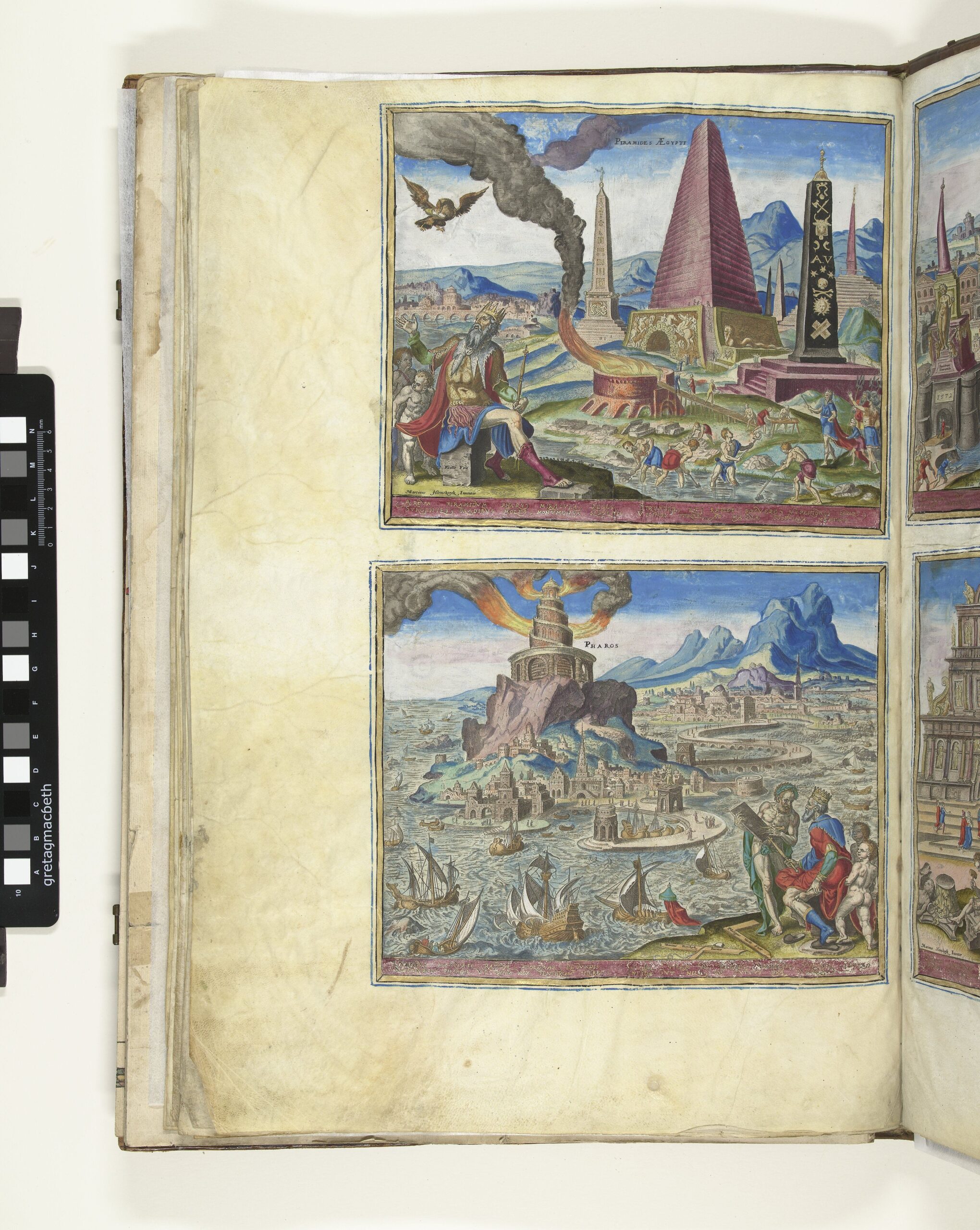
The Pharos of Alexandria was the tallest building in the world for most of its life, over a hundred metres of pale stone rising from an island at the harbour mouth, a fire burning at its summit and a great mirror, it was said, casting the light far out to sea. For sixteen hundred years it brought ships safely home, and it gave its very name, pharos, to lighthouses in a dozen languages.
It was not destroyed by men but worn down by the earth itself: a long series of earthquakes cracked and shook it across the medieval centuries until it finally fell, and its rubble was built into the harbour fortress that stands on the spot today. Sixteen hundred years of faithful service ended not in a single catastrophe but in slow, geological erasure.
After earthquakes toppled it over centuries, its last stones were used to build the Citadel of Qaitbay on its own foundations in 1480. In 1994 divers found great blocks of the Pharos lying on the seabed of the harbour it once lit.