The Lost Works of Aristotle
We kept his lecture notes and lost his masterpieces.
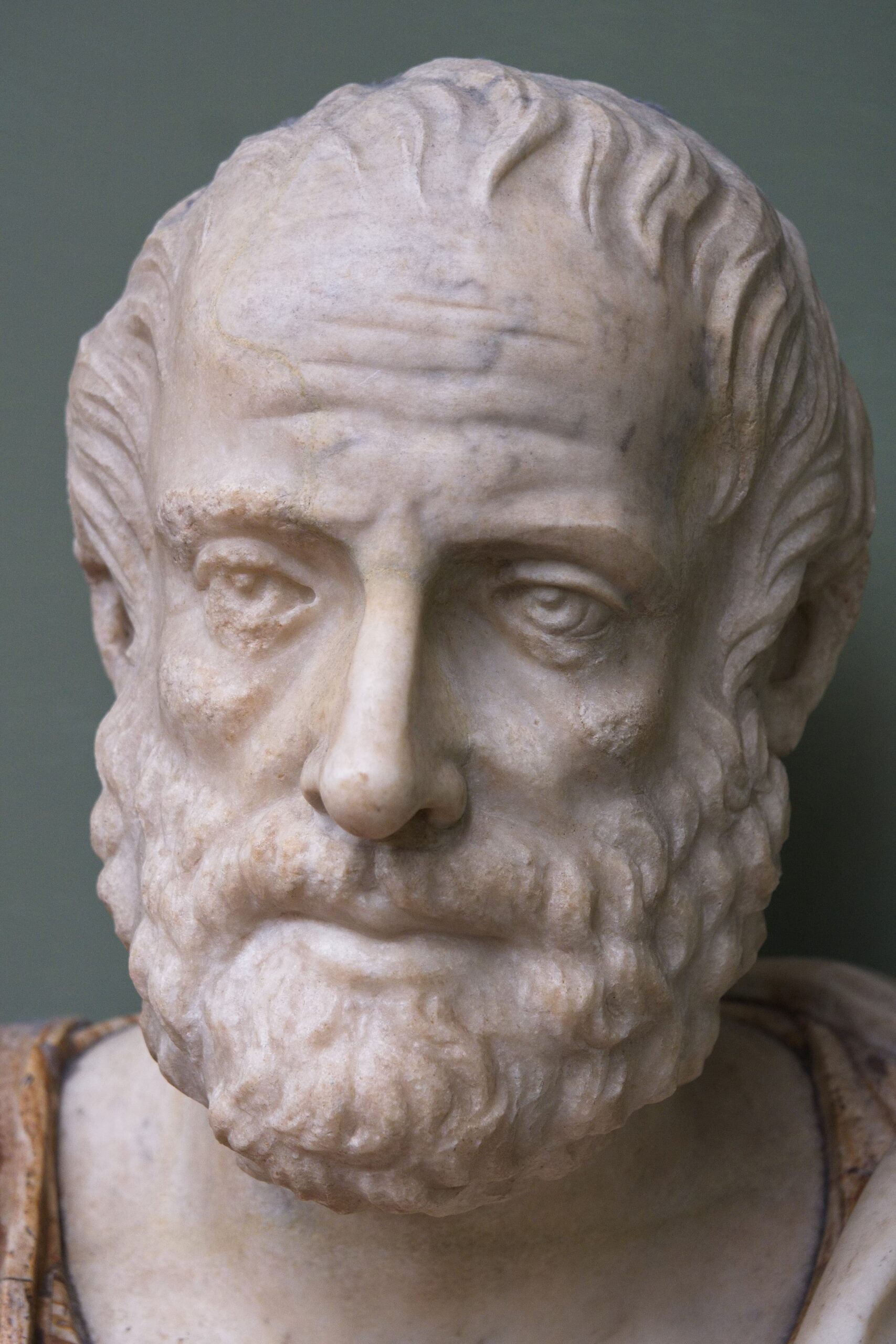
- EXISTED
- 4th century BC, lost by the Middle Ages
- WHERE
- Athens, Greece
- LOST
- Across antiquity and the medieval era
- CAUSE OF LOSS
- Neglect; the polished works went uncopied while rough notes survived
Almost everything we have of Aristotle is, in a sense, the wrong book. The treatises that survive, on logic, physics, ethics, poetry, are his working lecture notes, dense and unpolished, never meant for the public eye. The books he actually published, the elegant dialogues that ancient readers adored and Cicero compared to a flowing river of gold, have vanished without exception. We praise a philosopher on the strength of his rough drafts.
The most famously mourned of these losses is the second book of the Poetics, Aristotle’s treatment of comedy, the companion to his surviving book on tragedy. It seems to have survived into the Middle Ages before disappearing; its absence has haunted scholars for centuries. We know the philosophy of laughter was once written down by the keenest mind of antiquity, and that no living person has read it.
The works Aristotle wrote for the public, praised by Cicero for their “river of gold”, are entirely lost. The second book of the Poetics, on comedy and laughter, was perhaps the last to vanish; no one has seen a copy in many centuries.